FFI Historical Series: Part 2 The Legends of the Late 80s: Unpacking the Triumphs of the Cranes’ Golden Generation
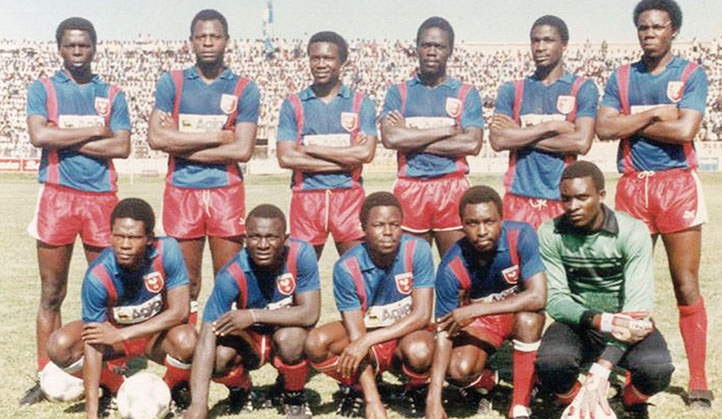
KAMPALA, UGANDA – The Former Footballers Initiative (FFI), committed to Legacy Recognition and ensuring a Sustainable Future for Uganda’s national heroes, continues its historical series by delving deeper into the individuals who defined the late 1980s and early 1990s; a period often recalled for producing continental club success and national team resilience.
Following the initial installment which highlighted the Cranes squad that participated in the Kuwait Tournament, FFI now shines a light on the careers, club successes, and profound legacies of four key figures from that era: Paul Hasule, Magid Musisi, Sula Kato, Godfrey Nyola, and Sadiq Wassa.
These former players, who represent the core generation FFI aims to empower socially and economically, showcased the resilient spirit; a core value of FFI; that took them from local league triumphs to continental finals.
The Clinical Striker: Magid Musisi
Magid Musisi is remembered for his attacking brilliance, renowned as one of the famous dribblers in Ugandan football between 1950 and 1998. He was an essential figure in the success of SC Villa, featuring prominently in their roster for the 1991 and 1992 CAF Cup Finals. Musisi’s achievements reflect the golden generation of the late 80s that carried Uganda’s flag abroad.
The Versatile Coach: Paul Hasule
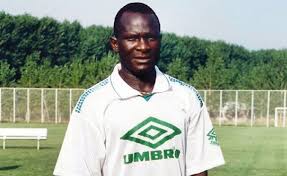
Paul Hasule achieved a unique and defining feat in Ugandan football history: he is the first Ugandan to win the league and knock-out cup double as both a player and a coach. As a coach, he achieved this monumental success in 1998, helping SC Villa secure both the league title and the Kakungulu Cup.
Known initially as a player in the defense, Hasule was a crucial member of the SC Villa dream team that reached the CAF Cup Finals in 1991 and 1992. His dedication to the game continued off the pitch, and he is listed among the Senior FUFA qualified coaches and served as the Vice Chairman of the Uganda Football Coaches Association.
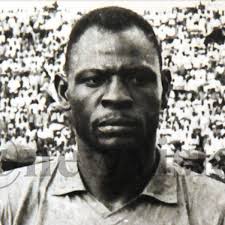
The Defender: Sula Kato
A stalwart of the defensive line, Sula Kato is listed among the famous overlapping defenders of the era. Like Musisi and Hasule, Kato was a foundational member of the SC Villa dream team that competed in the 1991 and 1992 CAF Cup Finals.
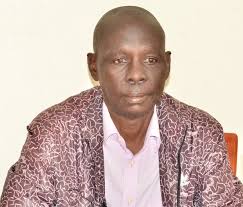
The Disciplinarian: Sadiq Wassa
After hanging up his boots, Sadiq Wassa made a significant transition into football administration and officiating, demonstrating the career transition support that FFI encourages. Wassa is listed as a highly regarded official: one of the Top officiating FUFA Referees between 1996 and 1998 and a FIFA qualified instructor.
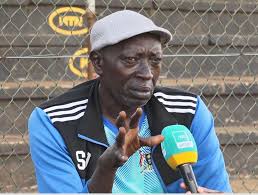
The No-Nonsense Defender: Godfrey Nyola
Godfrey Nyola was a pivotal and recognizable figure in Ugandan football history, known for his no-nonsense and combative approach as a defender. Nyola established his career primarily with Nytil FC and Express FC.
Nyola was first drafted into the Jinja SS team in 1978, which acted as a feeder side for Nytil FC, and was promoted to the senior Nytil team by 1983. He joined Express FC as a right fullback at the end of the 1985 season, immediately securing a starting role. Despite a slender physique, he was deceptively tough, fast, and agile, and completed a water-tight defense. His commitment earned him the Express fan nickname 'DHL' (for reliability).
Nyola's most enduring legacy is the phrase 'Ekya Nyola,' which fans coined to describe the act of tackling dangerously. This nickname originated from a brutal double-footed challenge Nyola executed in 1989 against Benon Masembe of Bank of Uganda FC, which broke Masembe’s leg and caused Nyola constant remorse, leading to the regression of his game until his retirement at the end of the 1990 season.
Following his playing retirement, Nyola had multiple stints as head coach for Express FC, serving in 1999, 2000, 2001, and 2005. He remains active in football circles today, serving as a committee member of the Former Footballers Initiative.
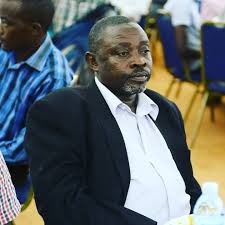
FFI: Building on the Pillars of Legacy
The triumphs of these former players illustrate FFI’s core belief that Ugandan football has consistently produced famous national heroes. However, FFI was established to bridge the gap faced by many heroes after retirement, as the sport was historically based more on entertainment than income generation.
Today, FFI channels this rich history through its five structural pillars: Sports, Education, Health, Business, and Welfare. By organizing community engagement activities, such as partnering with the Wakiso District Sports Office for grassroots mentorship, FFI is ensuring that the experience of legends like Polly Ouma and Ntensibe John Baptist directly guides young talent, preparing them not just for technical skills but for "life after football". FFI’s commitment to transparency and accountability ensures that the legacy of these heroes translates into tangible economic transformation for every member.